Bedsore Surgery – Advanced Treatment for Pressure Ulcers & Chronic Wounds
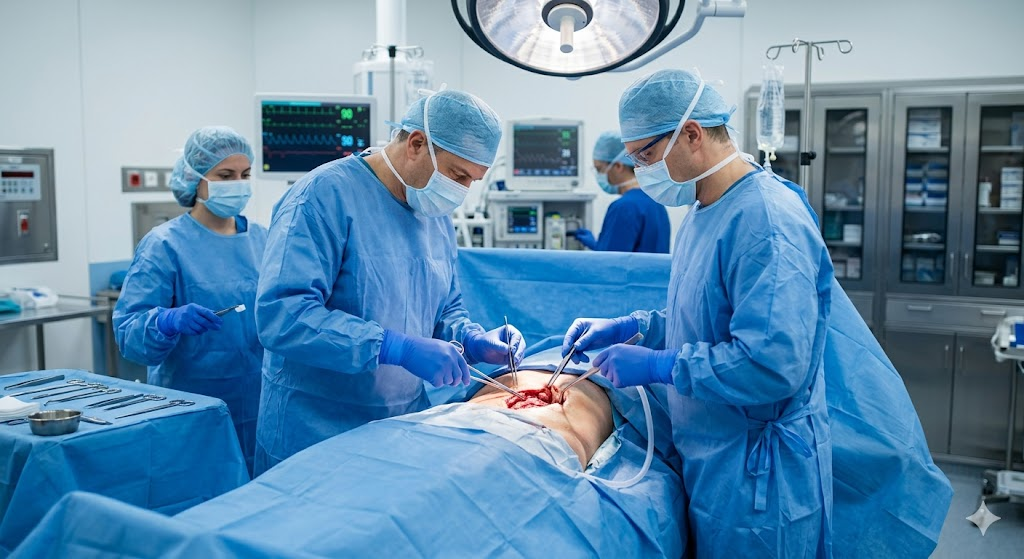
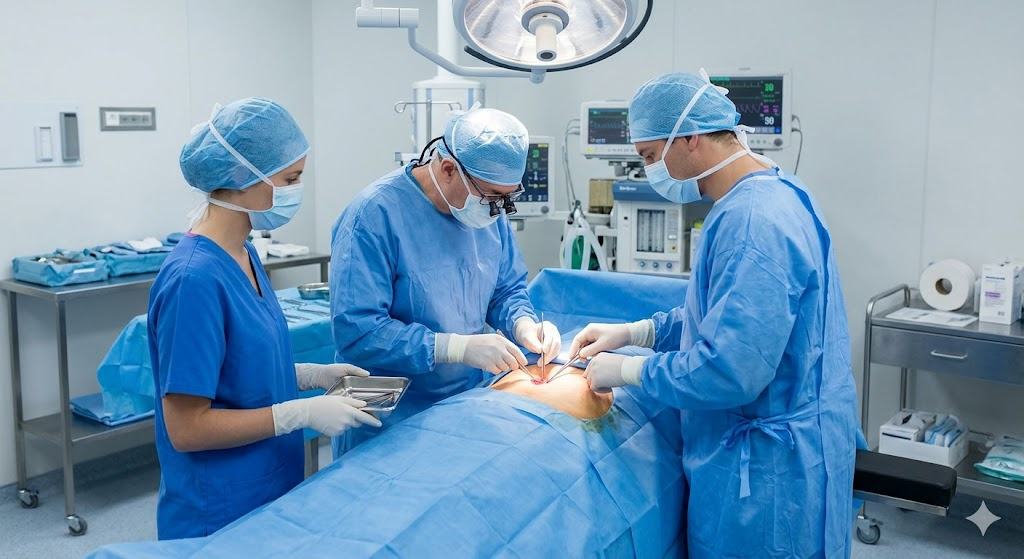
Bedsore Surgery is a specialized surgical procedure performed to treat severe pressure ulcers, also known as bedsores or pressure sores. Bedsores develop when prolonged pressure on the skin reduces blood supply to certain body areas, leading to skin breakdown, tissue damage, infection, and chronic wounds.
These wounds commonly affect individuals who are bedridden, wheelchair-bound, elderly, or unable to move independently for long periods. Advanced Bedsore Surgery helps remove damaged tissue, control infection, promote healing, and reconstruct affected areas to restore skin integrity and improve patient comfort and quality of life.
What Are Bedsores?
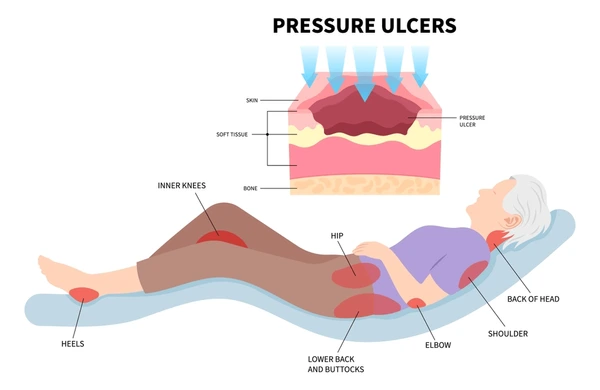
Bedsores, also called pressure ulcers or decubitus ulcers, are injuries to the skin and underlying tissues caused by prolonged pressure, friction, or reduced blood circulation.
Bedsores commonly develop over bony areas such as:
- Lower back
- Hips
- Tailbone
- Heels
- Ankles
- Elbows
- Shoulders
Without proper treatment, bedsores may deepen and involve muscles, tendons, and bones.
Stages of Bedsores
Bedsores are classified according to severity
- Stage 1
- Redness and skin irritation
- Skin remains intact
- Stage 2
- Partial skin loss
- Blisters or shallow ulcers
- Stage 3
- Deep wounds extending into fat tissue
- Stage 4
- Severe tissue destruction involving muscle or bone
Advanced stages often require Bedsore Surgery.
Goals of Bedsore Surgery
Bedsore Surgery aims to:
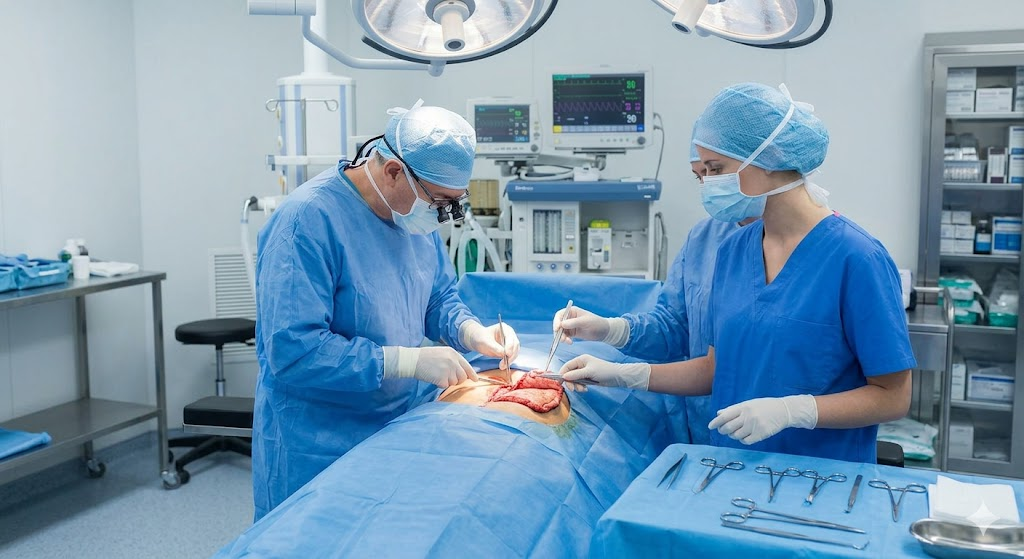
- Remove dead tissue
- Control infection
- Promote wound healing
- Reduce pain
- Reconstruct damaged areas
- Prevent recurrence
- Improve patient comfort and mobility
Early surgical treatment often improves recovery outcomes.
Benefits:
- Reduced pain
- Improved sensation
- Better grip strength
The severity depends on burn depth, affected area, and duration of exposure.
Modern Advances in Bedsore Management
Advanced wound care technologies now include:
- Vacuum-assisted therapy
- Advanced dressings
- Microsurgical reconstruction
- Tissue regeneration techniques
- Laser scar management
These innovations improve healing outcomes and reduce complications.