What is Blepharoplasty?
Blepharoplasty is a surgical procedure that removes or repositions excess skin, fat, and muscle from the eyelids. While it is often performed for cosmetic reasons, it can also be medically necessary when sagging eyelid skin interferes with vision.

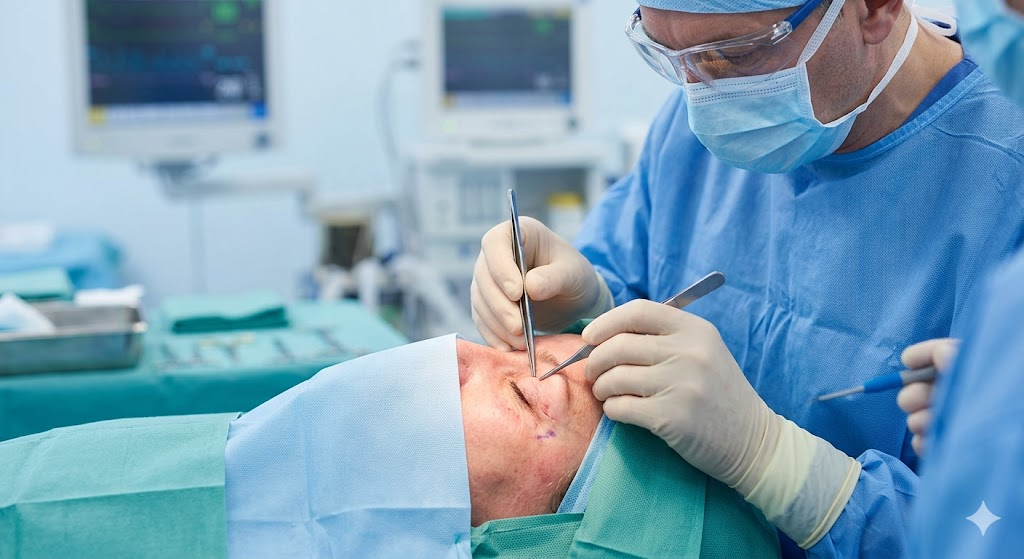
Types of Blepharoplasty
- Upper Eyelid Surgery : This procedure focuses on removing excess skin and fat from the upper eyelids. It helps correct drooping eyelids that may cause a tired or aged appearance and, in some cases, obstruct vision.
- Lower Eyelid Surgery : Lower eyelid surgery targets puffiness and under-eye bags. It smoothens the contour below the eyes, reducing dark circles and restoring a more refreshed appearance.
- Double Eyelid Surgery : Commonly performed in some populations, this procedure creates a visible crease in the upper eyelid for a more defined eyelid appearance.
Procedure and Recovery
Blepharoplasty is typically performed under local anesthesia with sedation or general anesthesia, depending on the case.
During the procedure:
- Incisions are made along natural eyelid creases
- Excess skin, fat, or muscle is removed or repositioned
- The incisions are carefully closed to minimize visible scarring
After surgery:
- Mild swelling and bruising are common
- Cold compresses help reduce discomfort
- Most patients recover within 1–2 weeks
- Final results become more visible as healing progresses
Benefits of Blepharoplasty
- Restores a youthful and refreshed appearance
- Improves vision in cases of severe upper eyelid sagging
- Reduces under-eye bags and puffiness
- Enhances overall facial aesthetics
- Provides long-lasting results