Introduction
Breast lift surgery, medically known as mastopexy, is a cosmetic surgical procedure designed to lift, reshape, and firm sagging breasts. Over time, aging, pregnancy, breastfeeding, gravity, weight fluctuations, and reduced skin elasticity can cause the breasts to lose their youthful shape and position. A breast lift helps restore a firmer, more elevated, and youthful breast appearance while improving overall body proportions.
Many women experience breast sagging at different stages of life. Although this is a natural process, some individuals may feel self-conscious about drooping breasts, stretched skin, or downward-pointing nipples. Breast lift surgery can significantly improve breast contour and help restore confidence and comfort.
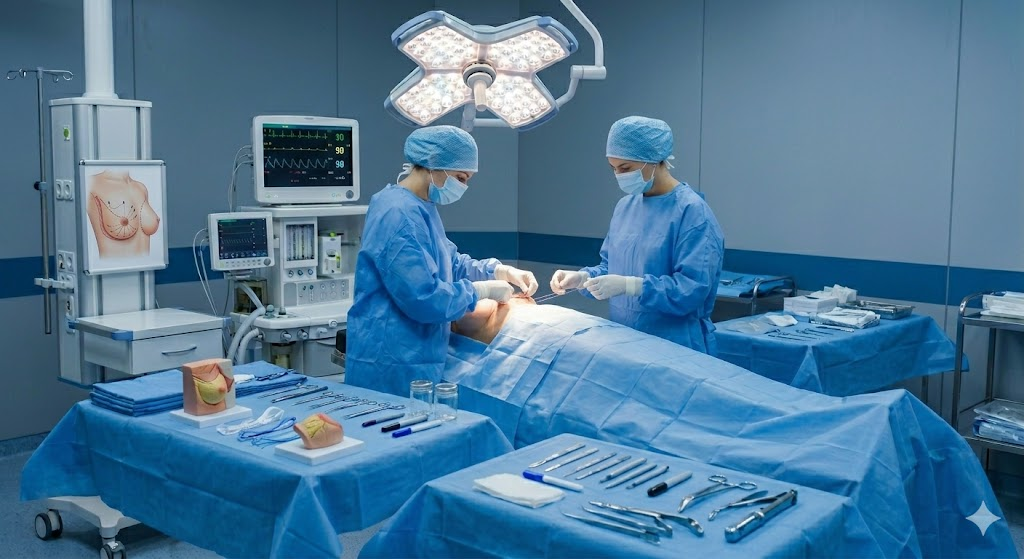
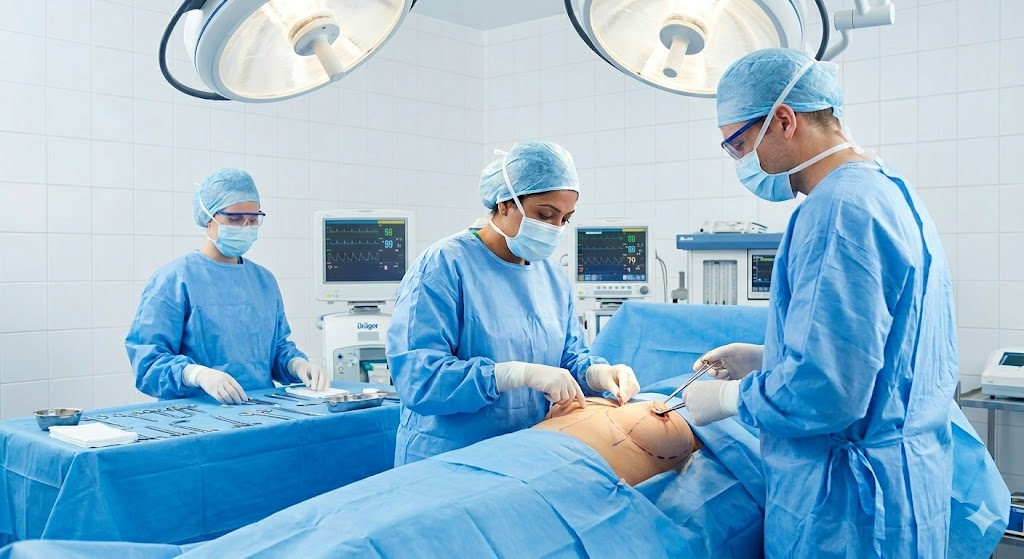
Modern breast lift techniques focus on reshaping breast tissue, repositioning the nipples, and tightening excess skin while maintaining a natural-looking appearance. The procedure can also be combined with breast augmentation or breast reduction for more comprehensive breast rejuvenation.
Breast lift surgery provides long-lasting improvement in breast firmness, symmetry, and contour, helping women achieve a more youthful and proportionate body appearance.
What Is Breast Lift Surgery?
Breast lift surgery is a cosmetic procedure that removes excess skin and reshapes breast tissue to raise and firm sagging breasts.
The procedure helps:
- Lift sagging breasts
- Improve breast firmness
- Restore youthful breast shape
- Reposition downward-pointing nipples
- Improve breast symmetry
- Tighten stretched skin
Why Do Breasts Sag?
Breast sagging occurs naturally due to changes in skin elasticity, breast tissue, and supporting ligaments over time.
- Aging
- Pregnancy
- Breastfeeding
- Weight fluctuations
- Gravity
- Hormonal changes
- Genetics
- Smoking
- Loss of skin elasticity
Common Signs of Breast Sagging
Women considering breast lift surgery often notice visible changes in breast shape and position.
- Drooping breasts
- Flattened breast shape
- Downward-pointing nipples
- Loss of breast firmness
- Stretched breast skin
- Enlarged areolas
- Breast asymmetry
- Reduced upper breast fullness
How Does Breast Lift Surgery Work?
Breast lift surgery works by removing excess skin, reshaping breast tissue, and repositioning the nipples to create a firmer and more elevated breast contour.
During the procedure, the surgeon tightens the breast envelope and reshapes the underlying tissue to improve breast projection and symmetry.
In many cases, enlarged areolas can also be reduced to achieve a more proportionate breast appearance.
Types of Breast Lift Techniques
Different breast lift techniques may be used depending on the degree of sagging and desired correction.
- Crescent lift
- Periareolar (donut) lift
- Vertical (lollipop) lift
- Anchor breast lift
- Breast lift with implants
- Breast lift with reduction
Benefits of Breast Lift Surgery
Breast lift surgery offers multiple cosmetic and emotional benefits.
Cosmetic Benefits
- Lifted breast appearance
- Improved breast shape
- Enhanced breast symmetry
- Better nipple position
- Firmer breasts
- Youthful breast contour
Additional Benefits
- Improved body proportions
- Better clothing fit
- Enhanced confidence
- Long-lasting improvement
- Natural-looking results
Advantages of Breast Lift Surgery
- Restores youthful breast shape
- Corrects breast sagging
- Improves breast contour
- Can be combined with implants
- Customizable surgical options
Who Is an Ideal Candidate?
Breast lift surgery may be suitable for women who:
- Have sagging breasts
- Notice downward-pointing nipples
- Experience loss of breast firmness
- Have stretched breast skin
- Maintain stable body weight
- Are in good general health
- Have realistic expectations
Consultation Before Surgery
A detailed consultation helps develop a personalized treatment plan based on breast anatomy, skin quality, and cosmetic goals.
- Breast examination
- Skin elasticity assessment
- Evaluation of nipple position
- Medical history review
- Discussion of cosmetic goals
- Breast measurements
- Surgical planning
Preparation Before Breast Lift Surgery
Patients receive detailed preoperative instructions before surgery to help ensure safe treatment and smooth recovery.
- Avoid smoking before surgery
- Stop certain medications if advised
- Maintain proper hydration
- Avoid alcohol before surgery
- Arrange postoperative assistance
- Follow fasting instructions
Procedure of Breast Lift Surgery
Breast lift surgery is usually performed under general anesthesia. The surgeon makes carefully planned incisions to remove excess skin and reshape the breasts.
The nipples and areolas are repositioned to a more youthful height while maintaining natural breast proportions. The breasts are then tightened and reshaped for improved contour and firmness.
Once the desired breast shape is achieved, the incisions are closed carefully to support healing and minimize visible scarring.
Recovery After Breast Lift Surgery
Recovery varies depending on individual healing response and the extent of surgery. Most patients experience mild swelling and soreness during the initial recovery period.
Common Temporary Effects
- Swelling
- Bruising
- Mild discomfort
- Tightness sensation
- Temporary numbness
- Fatigue
Most patients gradually return to normal activities within a few weeks while healing continues over several months.
Postoperative Care
Proper postoperative care is important for smooth healing and optimal surgical results.
- Wear supportive surgical bras
- Avoid heavy lifting initially
- Keep incision areas clean
- Avoid smoking during healing
- Attend follow-up appointments
- Protect scars from sun exposure
Scarring After Breast Lift Surgery
Some scarring is expected after breast lift surgery, but modern surgical techniques aim to minimize visible scars. Most scars gradually fade over time and become less noticeable with proper scar care and healing.
Surgeons carefully place incisions in areas that can often be concealed beneath bras, bikinis, or natural breast folds.