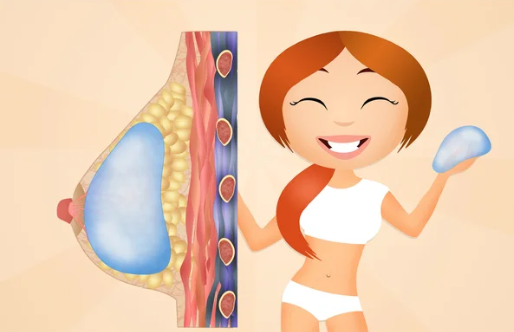
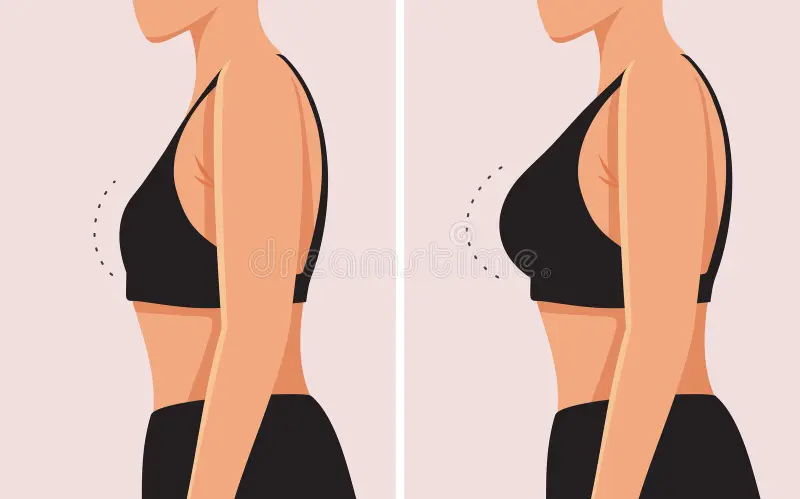
Introduction
Breast reduction surgery, medically known as reduction mammoplasty, is a cosmetic and reconstructive surgical procedure designed to remove excess breast tissue, fat, and skin to create smaller, lighter, and more proportionate breasts. Many women with excessively large breasts experience physical discomfort, posture problems, skin irritation, difficulty exercising, and emotional distress. Breast reduction surgery helps improve both physical comfort and overall body balance.
Large breasts can place excessive strain on the neck, shoulders, and back, leading to chronic pain and reduced quality of life. Daily activities such as running, exercising, sleeping, and even finding properly fitting clothes may become challenging. In addition to physical symptoms, oversized breasts may also affect confidence and emotional well-being.
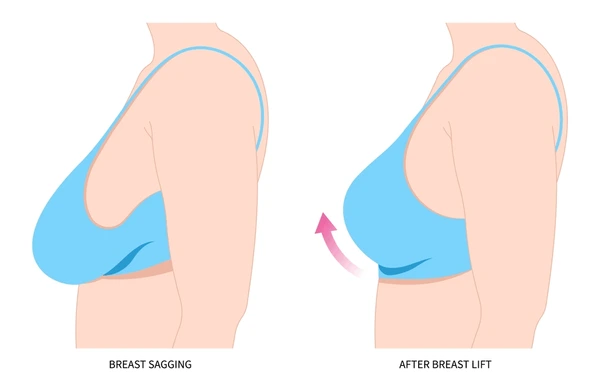

Modern breast reduction techniques focus on improving breast size, shape, symmetry, and contour while preserving a natural appearance. The surgery not only reduces breast volume but also lifts and reshapes the breasts for improved aesthetics and comfort.
Breast reduction surgery is commonly performed for both cosmetic and medical reasons. Patients often experience dramatic improvement in physical symptoms and enjoy a more active, comfortable, and confident lifestyle after surgery.
What Is Breast Reduction Surgery?
Breast reduction surgery is a procedure that removes excess breast tissue, fat, and skin to reduce breast size and improve breast shape.
The procedure helps:
- Reduce excessively large breasts
- Relieve neck and back pain
- Improve body proportions
- Lift sagging breasts
- Improve physical comfort
- Enhance self-confidence
Why Do Women Choose Breast Reduction?
Women choose breast reduction surgery for various physical, emotional, and cosmetic reasons.
- Chronic neck pain
- Shoulder discomfort
- Back pain
- Skin irritation beneath breasts
- Difficulty exercising
- Poor posture
- Difficulty finding clothing
- Emotional self-consciousness
- Breast asymmetry
Common Symptoms of Large Breasts
Excessively large breasts can cause several physical symptoms and lifestyle limitations.
- Chronic upper back pain
- Shoulder grooving from bra straps
- Neck stiffness
- Difficulty sleeping comfortably
- Restricted physical activity
- Skin rashes and irritation
- Breast heaviness
- Poor posture problems
How Does Breast Reduction Surgery Work?
Breast reduction surgery works by removing excess breast fat, glandular tissue, and loose skin to create smaller, firmer, and more proportionate breasts.
During the procedure, the surgeon reshapes the breasts, repositions the nipples if necessary, and improves breast contour. The amount of tissue removed depends on the patient’s body structure, symptoms, and cosmetic goals.
Modern surgical techniques aim to provide natural-looking breast shape while reducing physical discomfort and maintaining breast symmetry.
Types of Breast Reduction Techniques
Different surgical techniques may be used depending on breast size, degree of sagging, and desired outcome.
- Anchor incision technique
- Vertical scar breast reduction
- Liposuction-assisted reduction
- Scar-minimizing techniques
- Breast lift with reduction
Benefits of Breast Reduction Surgery
Breast reduction surgery offers both medical and cosmetic benefits that significantly improve quality of life.
Physical Benefits
- Relief from back and neck pain
- Reduced shoulder pressure
- Improved posture
- Better physical mobility
- Reduced skin irritation
- Improved exercise comfort
Cosmetic Benefits
- Improved breast shape
- Lifted breast appearance
- Better body proportions
- Improved clothing fit
- Enhanced body contour
- Natural-looking breast symmetry
Psychological Benefits
- Improved self-confidence
- Better body image
- Reduced self-consciousness
- Greater social confidence
- Improved emotional well-being
Who Is an Ideal Candidate?
Breast reduction surgery may be suitable for women who experience physical discomfort or emotional concerns due to large breasts.
- Women with excessively large breasts
- Chronic neck or back pain sufferers
- Women with posture issues
- Difficulty participating in physical activities
- Skin irritation beneath the breasts
- Breast asymmetry concerns
- Women seeking improved body proportions
- Patients in good general health
Consultation Before Surgery
A detailed consultation is essential before breast reduction surgery to understand patient expectations and create a personalized treatment plan.
- Breast size evaluation
- Assessment of breast symmetry
- Discussion of physical symptoms
- Medical history review
- Skin elasticity assessment
- Discussion of desired breast size
- Photography and surgical planning
Preparation Before Breast Reduction Surgery
Patients receive preoperative instructions before surgery to help ensure safe treatment and smooth recovery.
- Avoid smoking before surgery
- Stop certain medications if advised
- Maintain proper hydration
- Avoid alcohol before surgery
- Arrange recovery assistance
- Follow fasting instructions
Procedure of Breast Reduction Surgery
Breast reduction surgery is usually performed under general anesthesia. The surgeon makes carefully planned incisions to remove excess breast tissue, fat, and skin.
The breasts are then reshaped and lifted to create a firmer and more proportionate appearance. In many cases, the nipples and areolas are repositioned to achieve natural breast symmetry and contour.
Once the desired shape and size are achieved, the incisions are closed carefully to support healing and minimize visible scarring.
Recovery After Breast Reduction Surgery
Recovery varies depending on the extent of surgery and individual healing response. Most patients experience temporary swelling and soreness during the initial recovery period.
Common Temporary Effects
- Swelling
- Bruising
- Mild discomfort
- Tightness sensation
- Temporary numbness
- Fatigue
Most patients gradually return to daily activities within a few weeks while healing continues over several months.
Postoperative Care
Proper postoperative care is important for healing and achieving optimal surgical results.
- Wear supportive surgical bras
- Avoid heavy lifting temporarily
- Keep incision areas clean
- Attend follow-up appointments
- Avoid smoking during healing
- Follow medication instructions carefully