Discectomy (Slip Disc Surgery)
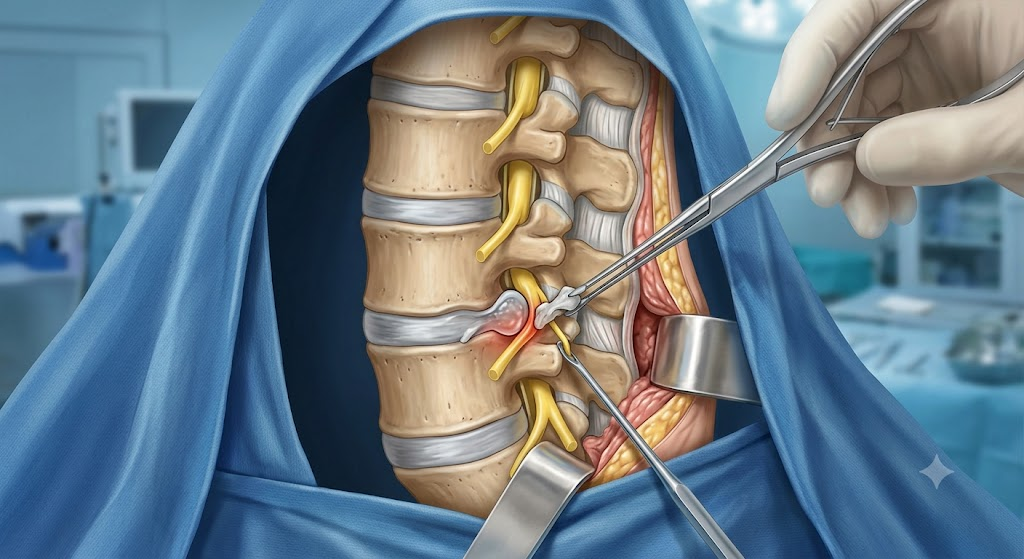
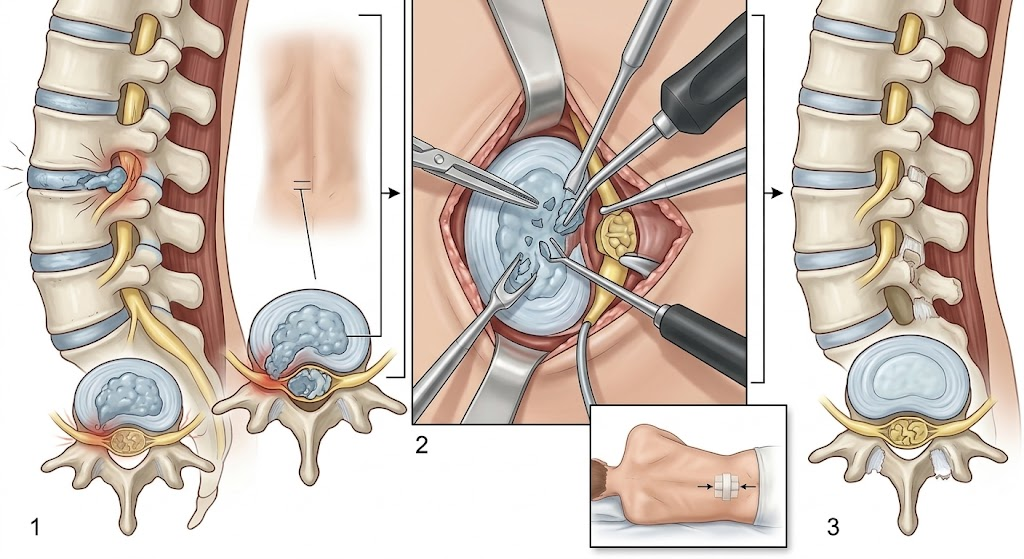
Discectomy, commonly known as Slip Disc Surgery, is a specialized surgical procedure performed to relieve pressure on spinal nerves caused by a herniated or slipped disc. A slipped disc occurs when the soft inner portion of the spinal disc protrudes through its outer layer and compresses nearby nerves, leading to severe pain, numbness, weakness, and restricted movement. Discectomy is widely recommended for patients who do not respond to medications, physiotherapy, or other conservative treatments.
Modern spine surgery techniques have made discectomy safer, minimally invasive, and highly effective. With advanced surgical methods, patients can experience faster recovery, reduced pain, and improved mobility after the procedure.
What is a Slipped Disc?
The spine consists of multiple bones called vertebrae separated by soft cushioning discs. These discs act as shock absorbers and help the spine move smoothly. When a disc becomes damaged or weakened, its inner material may bulge out, causing a slipped or herniated disc.
This condition commonly affects the lower back (lumbar spine) but can also occur in the neck (cervical spine). The protruding disc material can press on spinal nerves, resulting in pain and neurological symptoms.
Causes of Slip Disc
- Age-related degeneration of spinal discs
- Heavy lifting or sudden twisting movements
- Poor posture
- Obesity and excess body weight
- Sedentary lifestyle
- Repetitive strain injuries
- Trauma or accidents
- Weak spinal muscles
- Smoking and poor nutrition
What is Discectomy Surgery?
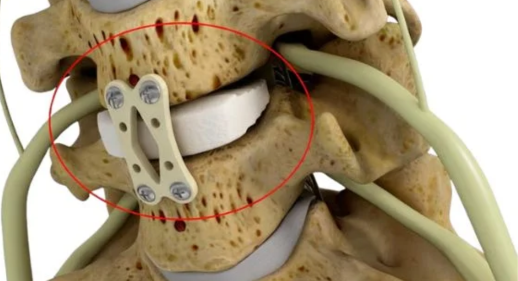
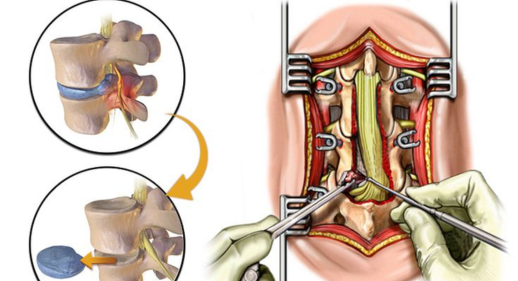
Discectomy is a surgical procedure in which the damaged or herniated portion of the disc is removed to relieve nerve compression. The surgery helps reduce pain, restore nerve function, and improve movement.
The procedure may involve removing:
- A small part of the disc
- The entire disc in severe cases
- Bone fragments pressing on nerves
Types of Discectomy Surgery
Discectomy is a surgical procedure in which the damaged or herniated portion of the disc is removed to relieve nerve compression. The surgery helps reduce pain, restore nerve function, and improve movement.
- Microdiscectomy
- Endoscopic Discectomy
- Open Discectomy
- Laser Discectomy
Recovery After Discectomy
Recovery varies from patient to patient and depends on the surgical technique used.
Immediate Recovery
- Most patients walk within a few hours
- Hospital stay is usually 1–2 days
- Pain gradually improves
Rehabilitation
- Avoid heavy lifting
- Maintain proper posture
- Perform physiotherapy exercises
- Gradually return to normal activities
Benefits of Discectomy Surgery
- Significant pain relief
- Improved mobility
- Better quality of life
- Faster recovery with minimally invasive methods
- Restoration of muscle strength
- Prevention of permanent nerve damage