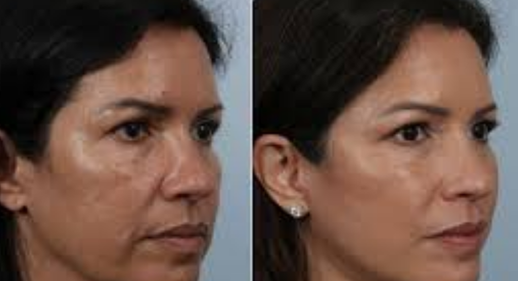
Introduction
Facelift surgery, medically known as rhytidectomy, is a popular cosmetic surgical procedure designed to reduce visible signs of facial aging and restore a youthful appearance. As people age, the skin gradually loses elasticity, collagen, and firmness, leading to sagging cheeks, deep facial folds, loose neck skin, wrinkles, and loss of jawline definition. A facelift helps tighten facial tissues, remove excess skin, and improve overall facial contours.
Aging occurs naturally over time due to decreased collagen production, sun exposure, gravity, stress, smoking, environmental pollution, and lifestyle habits. These factors contribute to facial skin laxity and volume loss, making individuals appear tired, older, or less refreshed.
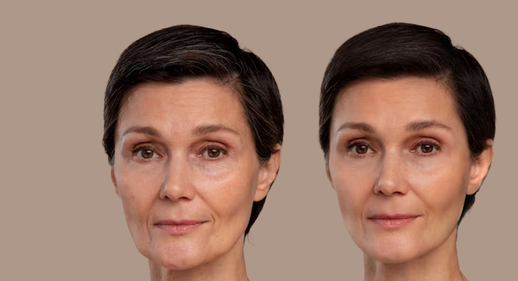
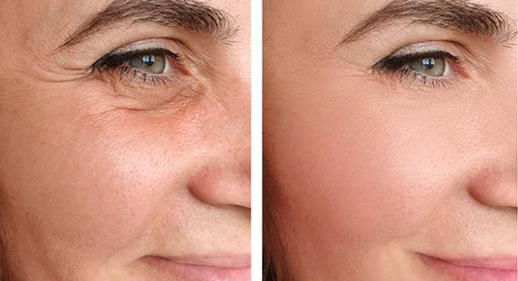
Modern facelift procedures provide natural-looking rejuvenation by repositioning deeper facial tissues instead of simply tightening the skin. Advanced surgical techniques help patients achieve smoother skin, sharper facial contours, and long-lasting anti-aging results while maintaining natural facial expressions.
Facelift surgery can be customized according to individual facial anatomy, degree of aging, and cosmetic goals. Many patients combine facelift surgery with other procedures such as neck lift, eyelid surgery, brow lift, fat grafting, laser resurfacing, or dermal fillers for comprehensive facial rejuvenation.
What Is a Facelift?
A facelift is a cosmetic surgical procedure that improves visible signs of aging in the face and neck by tightening facial muscles, repositioning tissues, and removing excess loose skin.
The procedure helps:
- Lift sagging facial skin
- Improve jawline definition
- Reduce deep facial folds
- Tighten loose neck skin
- Restore youthful facial contours
- Reduce visible signs of aging
Common Signs of Facial Aging
Several changes occur in the face as the skin and supporting tissues age over time.
- Sagging cheeks
- Loose jawline skin
- Jowls
- Deep nasolabial folds
- Wrinkles and fine lines
- Loose neck skin
- Loss of facial volume
- Drooping facial tissues
How Does a Facelift Work?
Facelift surgery works by tightening the underlying facial muscles and connective tissues while removing excess skin. The surgeon carefully lifts and repositions facial structures to create smoother, firmer, and younger-looking contours.
Modern facelift techniques focus on repositioning deeper facial layers known as the SMAS layer (Superficial Musculoaponeurotic System). This provides longer-lasting and more natural-looking results compared to older skin-only tightening methods.
Depending on the patient’s needs, the procedure may target the cheeks, jawline, neck, midface, lower face, or a combination of facial areas.
Types of Facelift Procedures
Different facelift techniques are available depending on the severity of aging and treatment goals.
- Traditional facelift
- Mini facelift
- Mid-face lift
- Lower facelift
- Neck lift combination
- Deep plane facelift
- SMAS facelift
- Non-surgical facelift options
Traditional Facelift
A traditional facelift is ideal for individuals with moderate to advanced facial aging. The procedure addresses sagging skin, deep wrinkles, jowls, and loose neck tissues.
Incisions are usually placed around the hairline and ears to minimize visible scarring. The surgeon lifts underlying tissues, removes excess skin, and tightens facial structures for comprehensive rejuvenation.
Mini Facelift
A mini facelift is a less invasive procedure suitable for patients with early signs of aging and mild skin laxity. Smaller incisions are used to lift the lower face and jawline with shorter recovery time.
This procedure is popular among younger patients seeking subtle facial rejuvenation before aging becomes more advanced.
Benefits of Facelift Surgery
Facelift surgery provides both cosmetic and psychological benefits by restoring youthful facial appearance and improving self-confidence.
Cosmetic Benefits
- Smoother facial skin
- Tighter jawline and neck
- Reduced facial wrinkles
- Lifted cheeks and facial tissues
- Improved facial symmetry
- Natural youthful appearance
Additional Benefits
- Long-lasting results
- Improved confidence
- Customized surgical options
- Comprehensive facial rejuvenation
- Can be combined with other cosmetic procedures
Advantages of Facelift Surgery
- Effective treatment for facial sagging
- Natural-looking results
- Improves multiple aging signs simultaneously
- Modern techniques reduce visible scarring
- Long-term anti-aging improvement
Who Is an Ideal Candidate?
Facelift surgery may be suitable for individuals who:
- Have sagging facial skin
- Notice jowls or loose jawline skin
- Have deep wrinkles and folds
- Experience neck skin laxity
- Want long-lasting facial rejuvenation
- Are in good general health
- Have realistic cosmetic expectations
Consultation Before Surgery
A detailed consultation is important before facelift surgery to develop a personalized treatment plan.
- Facial skin assessment
- Evaluation of facial anatomy
- Discussion of aging concerns
- Medical history review
- Assessment of skin elasticity
- Discussion of cosmetic goals
- Review of previous cosmetic procedures
Preparation Before Facelift Surgery
Patients receive detailed preoperative instructions before surgery to ensure safety and smooth recovery.
- Avoid smoking before surgery
- Stop certain medications if advised
- Maintain healthy hydration
- Avoid alcohol before surgery
- Arrange postoperative assistance
- Follow fasting instructions if required
Procedure of Facelift Surgery
Facelift surgery is usually performed under general anesthesia or local anesthesia with sedation depending on the treatment plan.
The surgeon carefully places incisions around the hairline and ears to minimize visible scarring. Facial tissues are lifted and repositioned while excess skin is removed. In many cases, neck tightening and fat repositioning may also be performed for enhanced contouring.
Once the desired facial contour is achieved, the incisions are closed carefully to support proper healing and natural-looking results.
Recovery After Facelift Surgery
Recovery varies depending on the extent of surgery and individual healing response. Most patients experience temporary swelling and bruising that gradually improves over several weeks.
Common Temporary Effects
- Swelling
- Bruising
- Mild discomfort
- Tightness sensation
- Temporary numbness
Most patients can gradually return to normal activities within a few weeks while final results continue improving over time.
Postoperative Care
Proper postoperative care helps ensure smooth healing and long-lasting facelift results.
- Keep the head elevated
- Avoid strenuous activities initially
- Follow wound care instructions carefully
- Avoid smoking during healing
- Attend follow-up appointments
- Protect the skin from sun exposure
Combination Procedures
Facelift surgery is often combined with additional cosmetic procedures for complete facial rejuvenation.
- Neck lift
- Blepharoplasty (eyelid surgery)
- Brow lift
- Fat grafting
- Laser skin resurfacing
- Dermal fillers
- Botox injections
Possible Risks and Complications
Facelift surgery is generally safe when performed by experienced cosmetic surgeons, but like all surgeries, some risks may occur.
- Swelling and bruising
- Temporary numbness
- Infection
- Scarring
- Bleeding
- Delayed healing
- Temporary facial tightness
How Long Do Results Last?
Facelift results are long-lasting and may remain visible for many years depending on skin quality, age, lifestyle, and skincare habits.
Although the natural aging process continues, facelift surgery significantly reduces visible aging signs and helps patients maintain a more youthful appearance for a prolonged period.
Non-Surgical Alternatives
Some patients with mild aging signs may consider non-surgical facial rejuvenation treatments.
- Thread lift
- Dermal fillers
- Botox injections
- Skin tightening procedures
- Laser skin rejuvenation
- Ultrasound-based skin lifting