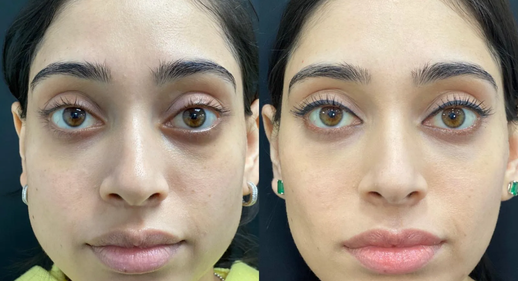
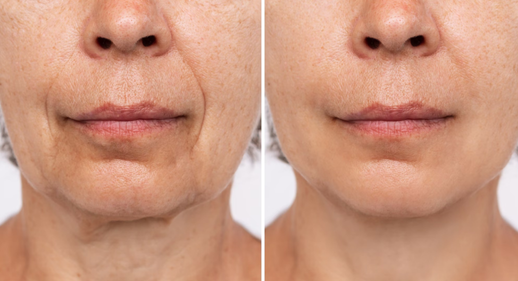
What is Facial Fat Grafting?
Facial Fat Grafting, also known as fat transfer or fat injection, is an advanced cosmetic procedure that restores lost facial volume using the patient’s own body fat. The treatment helps rejuvenate the face naturally by improving hollow areas, enhancing facial contours, and reducing visible signs of aging. Facial fat grafting has become increasingly popular because it provides long-lasting and natural-looking facial enhancement without synthetic implants or fillers.
As people age, the face gradually loses fat, collagen, and skin elasticity. This volume loss can cause sunken cheeks, hollow under-eyes, deep facial folds, wrinkles, and an aged appearance. Weight loss, genetics, stress, sun exposure, and lifestyle factors may further accelerate facial aging.
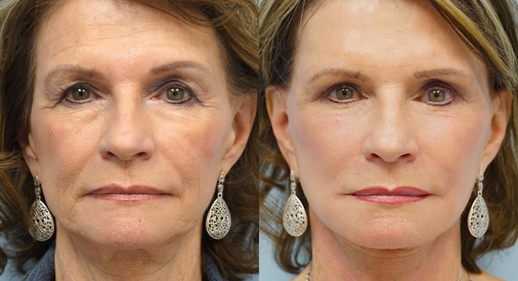
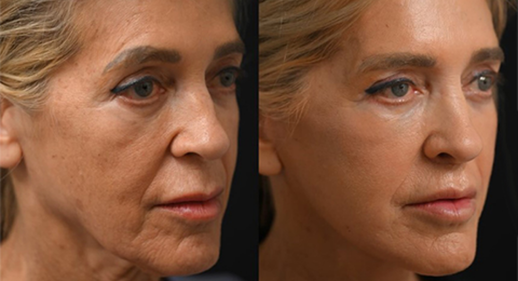
Facial fat grafting involves removing excess fat from areas such as the abdomen, thighs, or flanks through liposuction. The harvested fat is purified and carefully injected into targeted facial areas to restore youthful fullness and improve facial harmony.
Because the treatment uses the patient’s own natural fat cells, facial fat grafting reduces the risk of allergic reactions while providing soft, natural, and long-lasting results.
Why Does Facial Volume Loss Occur?
Facial aging is caused by multiple factors that affect skin structure and facial fat distribution over time.
- Natural aging process
- Loss of facial fat pads
- Reduced collagen production
- Sun damage
- Weight loss
- Stress and fatigue
- Smoking
- Genetic factors
What Areas Can Be Treated?
Facial fat grafting can improve several facial areas affected by volume loss and aging.
- Cheeks
- Under-eye hollows
- Nasolabial folds
- Temples
- Jawline
- Lips
- Chin area
- Forehead contour
- Marionette lines
- Facial scars or depressions
How Does Facial Fat Grafting Work?
Facial fat grafting involves three major steps: fat harvesting, fat purification, and fat injection.
First, excess fat is gently removed from donor areas such as the abdomen, thighs, or hips using liposuction techniques. The harvested fat is then processed and purified to isolate healthy fat cells.
Finally, the purified fat is carefully injected into specific facial areas using fine cannulas to restore volume and improve facial contours naturally.
Benefits of Facial Fat Grafting
Facial fat grafting offers both cosmetic enhancement and skin rejuvenation benefits.
Cosmetic Benefits
- Restores facial volume
- Enhances facial contours
- Improves cheek fullness
- Reduces facial hollowness
- Smooths wrinkles and folds
- Creates youthful facial balance
Additional Benefits
- Uses natural body fat
- Long-lasting results
- Minimal risk of allergic reaction
- Improves skin texture
- Natural-looking appearance
- Dual benefit of liposuction and rejuvenation
Advantages of Facial Fat Transfer
- Biocompatible treatment
- Soft and natural results
- Customizable facial contouring
- Can be combined with facelift surgery
- Improves facial symmetry
Who Is an Ideal Candidate?
Facial fat grafting may be suitable for individuals who:
- Have facial volume loss
- Want natural facial rejuvenation
- Have hollow cheeks or under-eyes
- Desire long-lasting results
- Have realistic expectations
- Are physically healthy
- Want improvement without synthetic fillers
- Have adequate donor fat available
Consultation Before Treatment
A detailed consultation is essential before facial fat grafting to evaluate facial anatomy and create a customized treatment plan.
- Facial volume assessment
- Skin quality evaluation
- Medical history review
- Donor fat analysis
- Discussion of aesthetic goals
- Photography for planning
- Facial symmetry assessment
Procedure of Facial Fat Grafting
The procedure is usually performed under local anesthesia with sedation or general anesthesia depending on the treatment extent.
Fat is first harvested through gentle liposuction using small cannulas. The fat is then purified to separate healthy fat cells from fluids and damaged tissues.
The purified fat is carefully injected into targeted facial areas in small amounts to ensure smooth, even, and natural-looking results.
Combination Procedures
Facial fat grafting is often combined with other cosmetic procedures for enhanced facial rejuvenation.
- Facelift surgery
- Necklift surgery
- Blepharoplasty
- Browlift surgery
- Laser skin resurfacing
- Skin tightening procedures
- PRP therapy
Recovery After Facial Fat Grafting
Recovery after facial fat grafting is generally mild to moderate depending on the amount of fat transferred and treatment areas.
Common Temporary Effects
- Swelling
- Bruising
- Mild discomfort
- Tenderness
- Temporary facial fullness
Most temporary effects gradually improve during the healing process.
Post-Treatment Care
Proper aftercare is important to support healing and maximize fat survival.
- Avoid pressure on treated areas
- Sleep with the head elevated
- Avoid smoking and alcohol temporarily
- Maintain stable body weight
- Stay hydrated
- Follow post-treatment instructions carefully
- Attend follow-up appointments
How Long Do Results Last?
Results from facial fat grafting can be long-lasting because surviving fat cells become integrated into the facial tissues. Some fat may naturally be absorbed by the body during the healing phase, but the remaining fat cells can provide permanent volume enhancement.
Maintaining stable body weight and healthy lifestyle habits helps preserve long-term results.
Possible Risks and Complications
Facial fat grafting is generally safe when performed by experienced cosmetic surgeons, but certain risks may occur.
- Swelling and bruising
- Temporary asymmetry
- Fat reabsorption
- Minor irregularities
- Infection
- Tenderness
- Delayed healing
Facial Fat Grafting vs Dermal Fillers
Both facial fat grafting and dermal fillers restore facial volume, but there are important differences.
- Fat grafting uses natural body fat
- Results may last longer than fillers
- Larger volume correction is possible
- Fat transfer improves skin quality
- Dermal fillers involve no liposuction
- Fat grafting offers natural tissue integration