Laminectomy (Decompression Surgery)
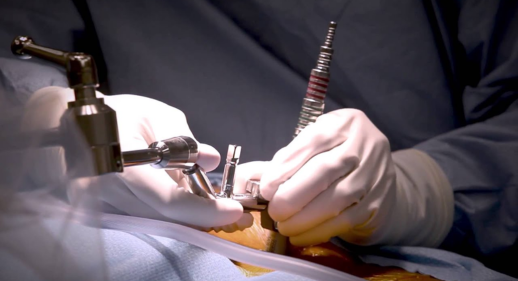
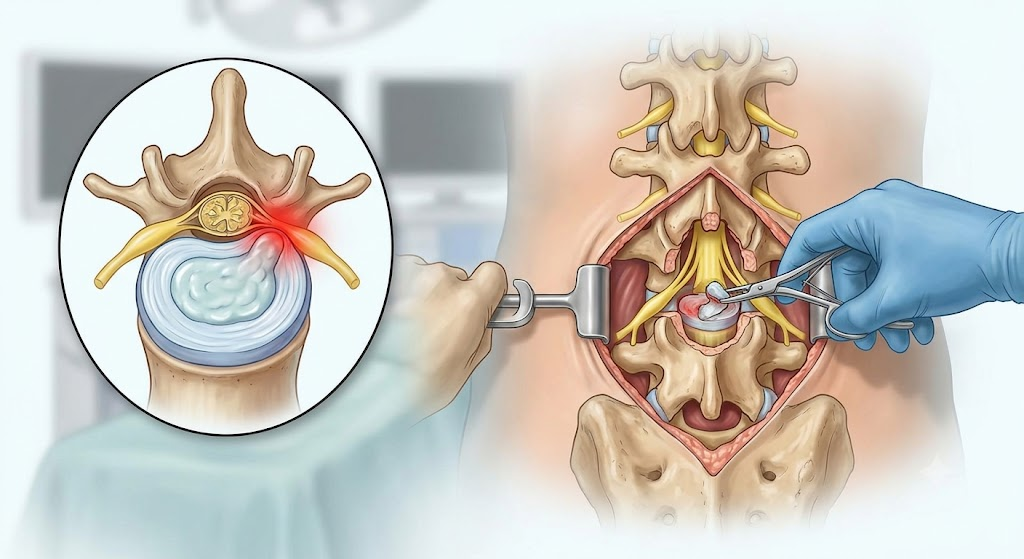
Laminectomy, commonly known as Decompression Surgery, is a specialized spinal surgical procedure performed to relieve pressure on the spinal cord and nerves. The surgery involves removing a portion of the vertebra called the lamina, which forms the back wall of the spinal canal. By creating more space within the spinal canal, laminectomy helps reduce nerve compression, relieve pain, and improve mobility.
This procedure is commonly recommended for patients suffering from spinal stenosis, herniated discs, bone spurs, degenerative spine diseases, or other conditions causing compression of spinal nerves. Laminectomy has become one of the most effective treatments for chronic back pain and nerve-related symptoms when conservative therapies fail to provide relief.
With advancements in minimally invasive spine surgery, modern laminectomy procedures are safer, more precise, and associated with faster recovery times. Patients undergoing decompression surgery often experience significant improvements in quality of life and daily functioning.
What is Laminectomy?
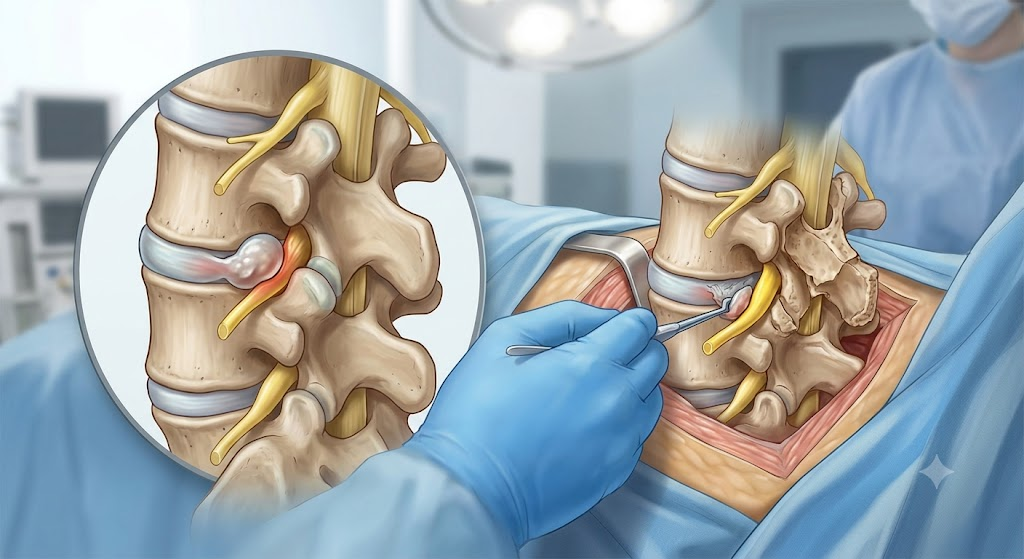
Laminectomy is a decompression surgery in which the surgeon removes all or part of the lamina to create additional space for the spinal cord and nerves. The primary goal is to relieve pressure that causes pain, weakness, numbness, and movement difficulties.
Depending on the patient’s condition, the surgery may involve:
- Removal of the lamina
- Removal of bone spurs
- Removal of thickened ligaments
- Removal of herniated disc fragments
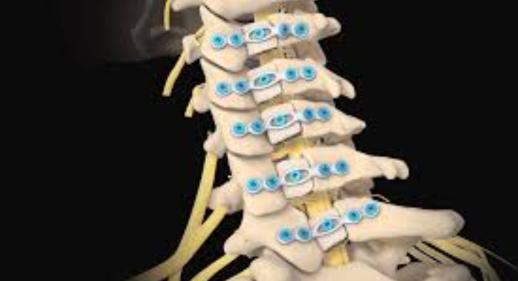
- Stabilization procedures such as spinal fusion
Types of Laminectomy Surgery
- Lumbar Laminectomy
- Cervical Laminectomy
- Thoracic Laminectomy
- Minimally Invasive Laminectomy
- Hemilaminectomy
Recovery After Laminectomy
Recovery varies based on the patient’s age, health, and type of surgery performed.
Immediate Postoperative Recovery
- Patients are monitored in the recovery room
- Walking may begin within 24 hours
- Pain medications are provided
- Hospital stay may range from 1 to 3 days
Physical Rehabilitation
- Flexibility
- Muscle strength
- Posture
- Mobility
Physical Rehabilitation
- Flexibility
- Muscle strength
- Posture
- Mobility
Returning to Normal Activities
- Light activities may resume within a few weeks
- Heavy lifting should be avoided initially
- Full recovery may take several weeks to months
Benefits of Laminectomy Surgery
- Pain Relief
- Improved Mobility
- Better Nerve Function
- Enhanced Quality of Life
- Prevention of Further Nerve Damage
- Increased Physical Activity