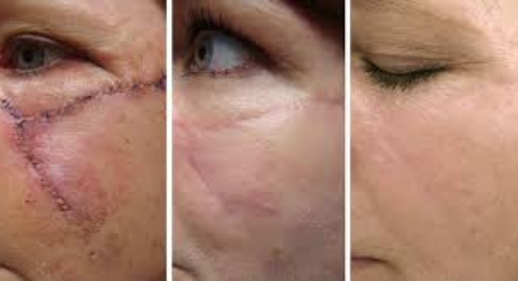
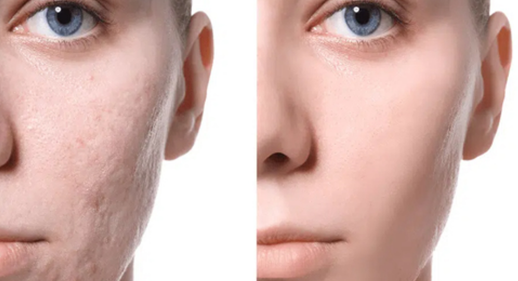
Introduction
Laser scar removal is an advanced cosmetic and dermatological treatment designed to improve the appearance, texture, and color of scars using modern laser technology. Scars can develop after acne, surgery, injuries, burns, infections, or skin inflammation. While scars are a natural part of the healing process, many individuals seek treatment to reduce their visibility and restore smoother, healthier-looking skin.
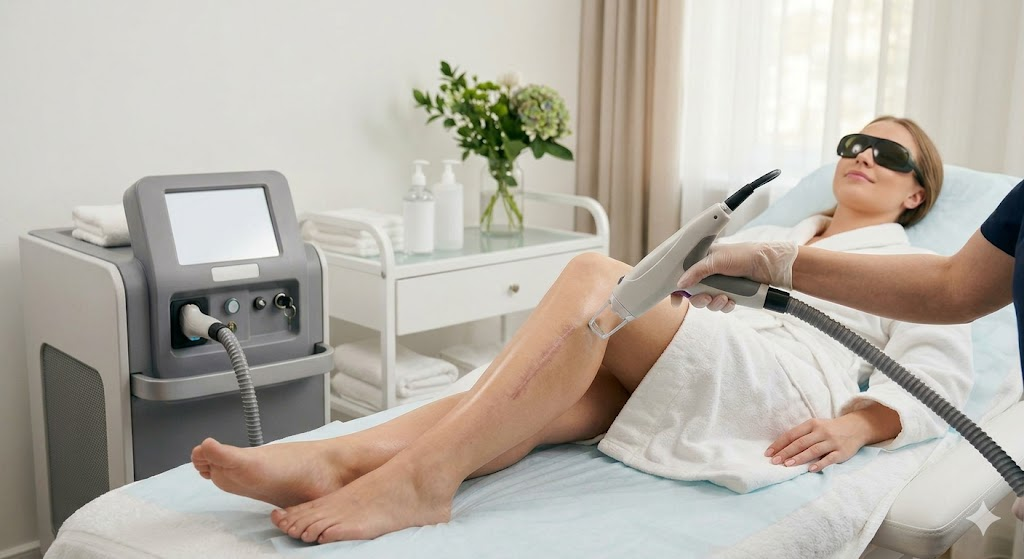
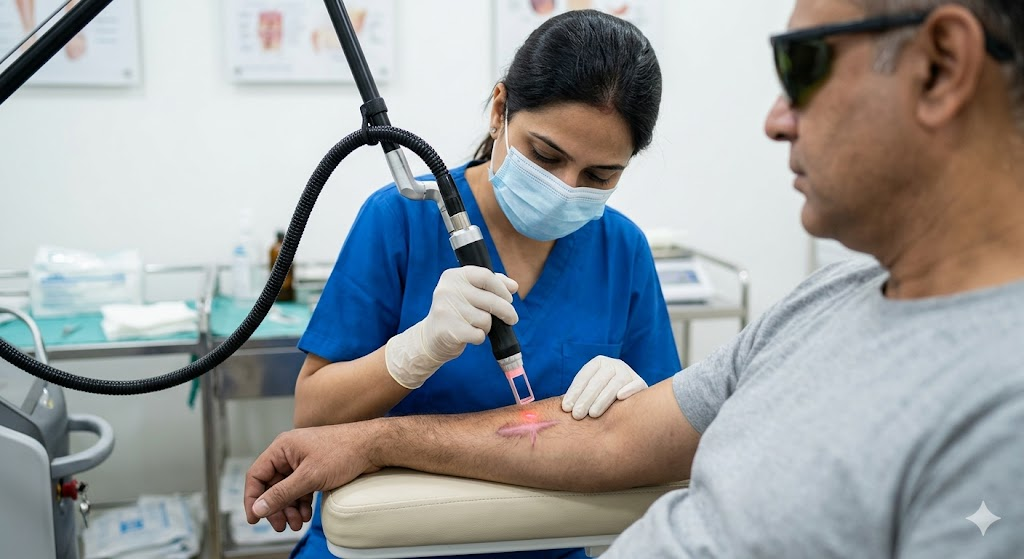
Modern laser scar removal treatments work by targeting damaged skin tissue and stimulating collagen production deep within the skin. This process encourages skin regeneration and helps improve scar texture, thickness, pigmentation, and overall appearance.
Laser scar removal is widely used for acne scars, surgical scars, traumatic scars, burn scars, stretch marks, and uneven skin texture. The treatment can significantly improve skin smoothness and restore confidence without the need for major surgery.
Both men and women choose laser scar removal because it is minimally invasive, highly effective, and suitable for multiple skin concerns with relatively short recovery time.
What Is Laser Scar Removal?
Laser scar removal is a cosmetic skin treatment that uses focused laser energy to reduce the appearance of scars and improve skin texture.
The treatment helps:
- Reduce scar visibility
- Improve skin texture
- Smooth uneven skin surfaces
- Stimulate collagen production
- Improve skin tone and pigmentation
How Does Laser Scar Removal Work?
Laser scar removal works by delivering controlled laser energy into the skin. The laser removes damaged skin layers and stimulates the body’s natural healing process.
As new collagen forms, the skin gradually becomes smoother, firmer, and more even in appearance. Depending on the scar type, different laser technologies may be used to target redness, pigmentation, thickness, or uneven texture.
Some lasers remove the outer damaged skin layers, while others penetrate deeper into the skin to stimulate collagen remodeling without damaging the surface significantly.
Types of Scars Treated
Laser scar removal can treat various types of scars and skin irregularities.
- Acne scars
- Surgical scars
- Burn scars
- Traumatic injury scars
- Stretch marks
- Keloid scars
- Hypertrophic scars
- Pigmented scars
Common Causes of Scarring
Scars may form due to various skin injuries or inflammatory conditions.
- Severe acne
- Accidents and injuries
- Surgical procedures
- Burn injuries
- Chickenpox scars
- Skin infections
- Inflammatory skin conditions
- Pregnancy stretch marks
Benefits of Laser Scar Removal
Laser scar removal offers several cosmetic and skin-rejuvenating benefits.
Cosmetic Benefits
- Smoother skin texture
- Reduced scar depth
- Improved skin tone
- Reduced redness and pigmentation
- Youthful and refreshed appearance
Additional Benefits
- Minimally invasive treatment
- Stimulates collagen naturally
- Customizable treatment plans
- Minimal downtime
- Long-lasting improvement
Advantages of Laser Scar Removal
- Safe and effective procedure
- Precise treatment targeting
- Improves overall skin quality
- Can treat multiple scar types
- Suitable for facial and body scars
Types of Lasers Used for Scar Removal
Different laser systems are used depending on the scar type, skin tone, and treatment goals.
- Fractional CO2 laser
- Erbium YAG laser
- Pulsed dye laser
- Nd:YAG laser
- Fractional non-ablative lasers
- Picosecond lasers
Fractional CO2 Laser Treatment
Fractional CO2 laser is one of the most effective treatments for deep acne scars, surgical scars, and skin resurfacing. The laser creates microscopic treatment zones in the skin, stimulating collagen remodeling while preserving surrounding healthy tissue for faster healing.
This treatment improves skin texture, scar depth, enlarged pores, and uneven skin tone while promoting smoother and tighter skin.
Laser Treatment for Acne Scars
Acne scars are among the most commonly treated conditions with laser therapy. Laser treatments help improve:
- Ice pick scars
- Boxcar scars
- Rolling scars
- Post-acne pigmentation
- Uneven skin texture
Multiple sessions may be required depending on scar severity and skin condition.
Who Is an Ideal Candidate?
Laser scar removal may be suitable for individuals who:
- Have acne or surgical scars
- Want smoother skin texture
- Have realistic treatment expectations
- Are in good general health
- Wish to reduce visible skin imperfections
- Want non-surgical scar improvement
Diagnosis Before Treatment
A detailed skin evaluation is necessary before laser scar treatment to determine the best treatment plan.
- Scar type analysis
- Skin type evaluation
- Pigmentation assessment
- Medical history review
- Previous treatment history
- Assessment of skin sensitivity
Procedure of Laser Scar Removal
The procedure usually begins with skin cleansing and application of a topical numbing cream to improve comfort during treatment.
The laser device is then carefully passed over the treatment area to target scar tissue and stimulate skin renewal. Treatment duration depends on the scar size and treatment area.
Most procedures are performed as outpatient treatments and patients can usually return home the same day.
Recovery After Laser Scar Removal
Recovery depends on the type of laser used and the depth of treatment. Mild redness and swelling are common after the procedure and usually improve gradually.
Common Temporary Effects
- Redness
- Swelling
- Mild skin peeling
- Tenderness
- Temporary dryness
Patients are advised to avoid:
- Direct sun exposure
- Harsh skincare products
- Scratching or rubbing the skin
- Smoking during healing
- Excessive heat exposure
Post-Treatment Care
Proper aftercare is essential for optimal healing and treatment results.
- Use sunscreen regularly
- Keep the skin moisturized
- Follow skincare instructions carefully
- Avoid picking treated skin
- Attend follow-up appointments
Gradual improvement continues over several months as collagen remodeling occurs naturally within the skin.
- Temporary redness
- Swelling
- Skin sensitivity
- Hyperpigmentation
- Temporary dryness
- Mild discomfort