Introduction
Minimally Invasive Spine Surgery (MISS) is an advanced surgical technique used to treat various spinal conditions through smaller incisions and specialized instruments. Unlike traditional open spine surgery, MISS minimizes damage to muscles, tissues, and surrounding structures while effectively treating spinal disorders.
Spinal problems such as herniated discs, spinal stenosis, degenerative disc disease, and nerve compression can cause chronic neck pain, back pain, numbness, weakness, and reduced mobility. When conservative treatments fail, Minimally Invasive Spine Surgery may provide long-lasting relief and improved spinal function.
Modern technological advancements including surgical microscopes, endoscopic cameras, robotic systems, and image-guided navigation have made MISS safer, more precise, and associated with faster recovery and less postoperative discomfort.
What is Minimally Invasive Spine Surgery (MISS)?
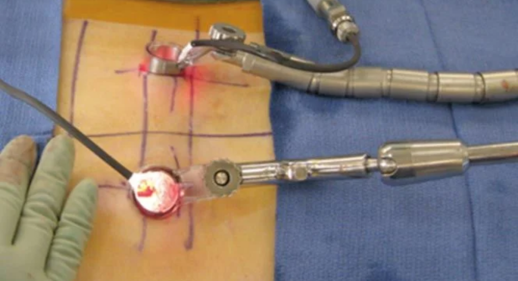
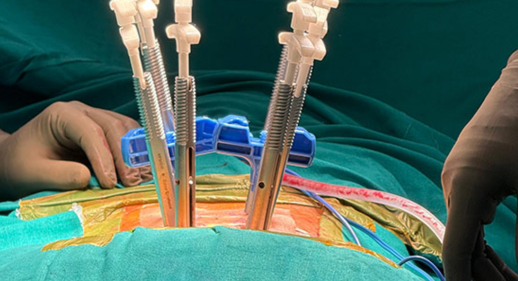
Minimally Invasive Spine Surgery is a specialized surgical approach in which spine surgeons use small incisions, tubular retractors, and advanced imaging systems to access and treat spinal problems with minimal disruption to healthy tissues.
MISS helps relieve spinal nerve compression, stabilize the spine, repair damaged discs, and improve mobility while reducing surgical trauma and recovery time.
- Smaller surgical incisions
- Reduced muscle and tissue damage
- Less postoperative pain
- Faster recovery and rehabilitation
- Improved spinal stability and function
Conditions Treated with Minimally Invasive Spine Surgery
- Herniated Disc
- Spinal Stenosis
- Degenerative Disc Disease
- Sciatica
- Spondylolisthesis
- Spinal Fractures
- Spinal Tumors
- Chronic Neck and Back Pain
Types of Minimally Invasive Spine Surgery
- Microdiscectomy
- Minimally Invasive Laminectomy
- Endoscopic Spine Surgery
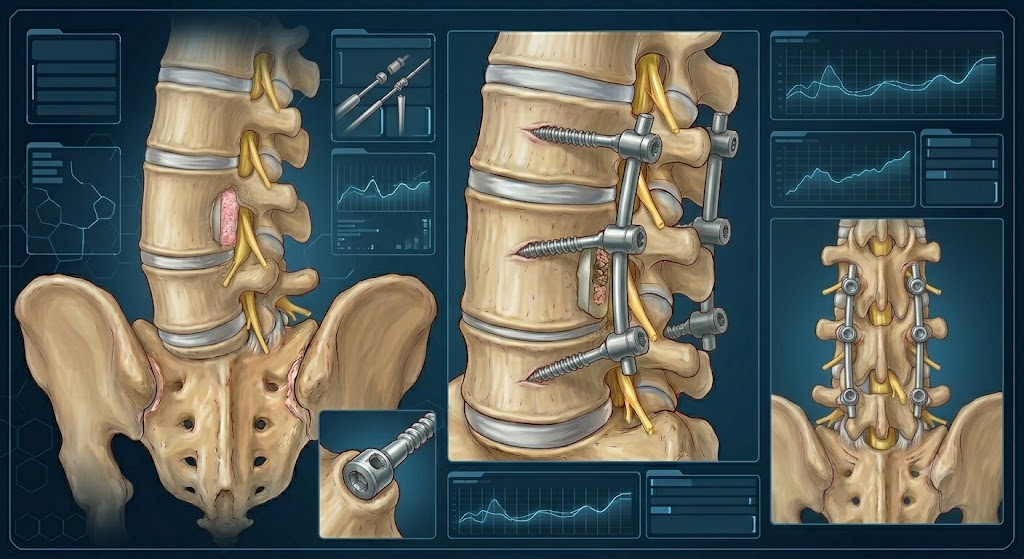
- Minimally Invasive Spinal Fusion
- Foraminotomy
- Kyphoplasty and Vertebroplasty
- Artificial Disc Replacement
Diagnosis Before MISS
- Physical Examination
- MRI Scan
- CT Scan
- X-rays
- Electromyography (EMG)
- Nerve Conduction Studies
Recovery After Minimally Invasive Spine Surgery
Recovery after MISS is generally faster compared to traditional open spine surgery. Many patients experience reduced pain and quicker return to normal activities.
Immediate Postoperative Recovery
- Patients are monitored after surgery
- Walking may begin within hours
- Pain is usually less severe
- Some patients return home the same day
Physical Rehabilitation
- Improves flexibility and mobility
- Strengthens spinal muscles
- Restores posture and balance
- Supports long-term spinal health
Returning to Normal Activities
- Light activities may resume within days or weeks
- Heavy lifting should be avoided initially
- Full recovery depends on the procedure performed
Benefits of Minimally Invasive Spine Surgery
- Smaller scars
- Reduced blood loss
- Less postoperative pain
- Faster recovery time
- Shorter hospital stay
- Lower risk of infection
- Improved mobility and comfort
- Better overall quality of life