Non-Healing Wounds – Advanced Treatment for Chronic & Difficult Wounds
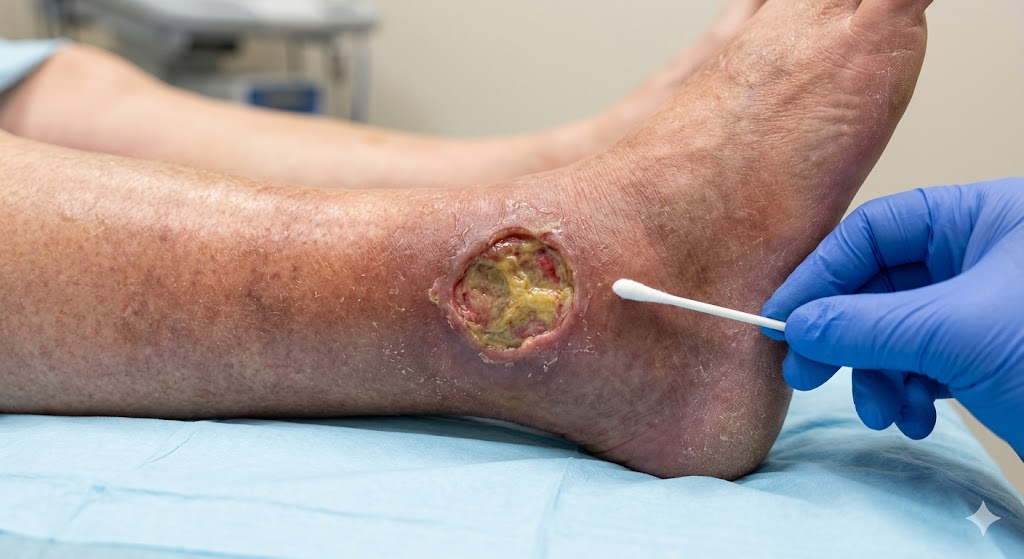
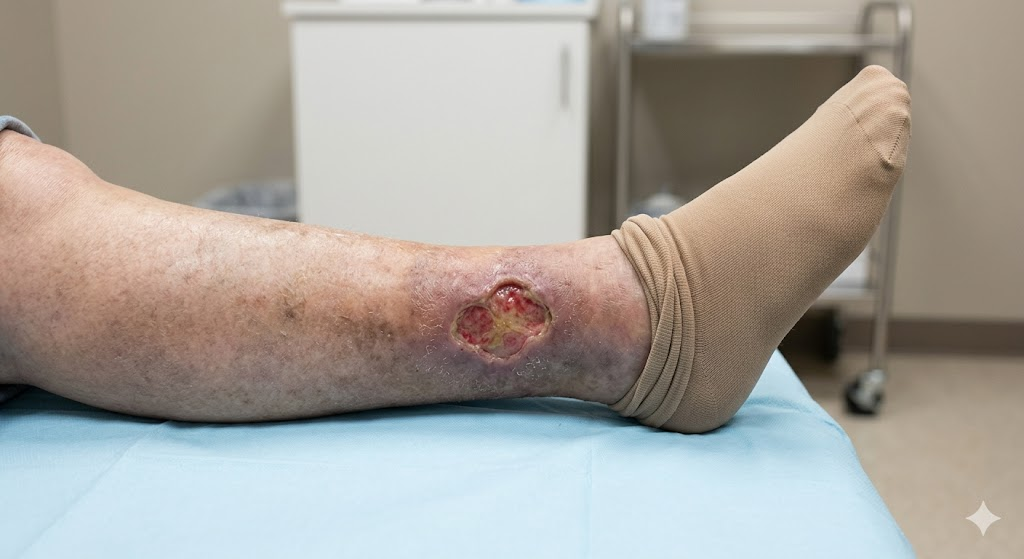
Non-Healing Wounds are wounds that fail to heal properly within the expected period of time despite standard medical care. These chronic wounds may remain open for weeks or months due to poor circulation, infection, diabetes, pressure, immune disorders, or underlying medical conditions.
Non-Healing Wounds can significantly affect mobility, comfort, and quality of life while increasing the risk of severe infection and tissue damage. Modern wound care and advanced surgical techniques now provide effective treatment options for promoting healing, controlling infection, and restoring healthy skin and tissue.
What Are Non-Healing Wounds?
A Non-Healing Wound is a wound that does not progress through the normal stages of healing within an expected timeframe. These wounds may:
- Remain open for long periods
- Heal very slowly
- Repeatedly reopen
- Become infected
- Cause persistent pain or discharge
Non-Healing Wounds require specialized medical assessment and advanced wound management.
Common Causes of Non-Healing Wounds
Several medical and lifestyle factors can interfere with wound healing.
- Diabetes
- Poor Blood Circulation
- Infection
- Pressure Injuries
- Venous Insufficiency
- Arterial Disease
- Weak Immune System
- Malnutrition
Types of Non-Healing Wounds
Non-Healing Wounds may include:
Diabetic Foot Ulcers
- Common in patients with long-term diabetes.
Pressure Ulcers (Bedsores)
- Develop in bedridden or immobile individuals.
Venous Leg Ulcers
- Caused by poor blood circulation in the veins.
Arterial Ulcers
- Result from reduced arterial blood flow.
Traumatic Wounds
- Wounds caused by injury or accidents.
Post-Surgical Wounds
- Surgical wounds that fail to heal properly.
Burn Wounds
- Chronic wounds after severe burns or skin damage.
Symptoms of Non-Healing Wounds
Common signs include:
- Persistent open wound
- Swelling
- Redness
- Pain or tenderness
- Foul-smelling discharge
- Delayed healing
- Skin discoloration
- Fever in severe infection cases
Early medical treatment is important to prevent complications.
Advanced Wound Dressings
Specialized dressings help:
- Maintain moisture balance
- Protect wounds
- Reduce infection risk
- Support faster healing
Different dressings are selected according to wound type and severity.
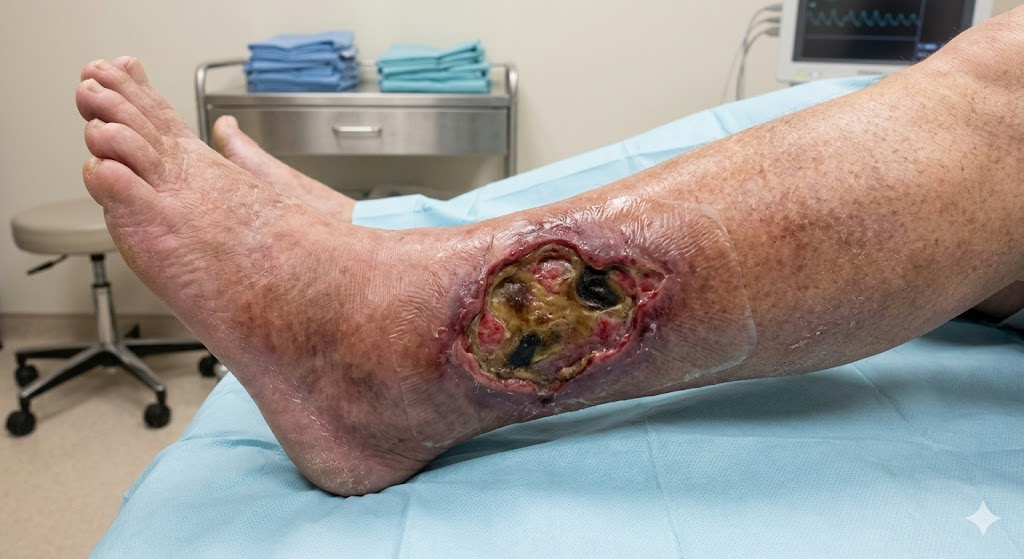
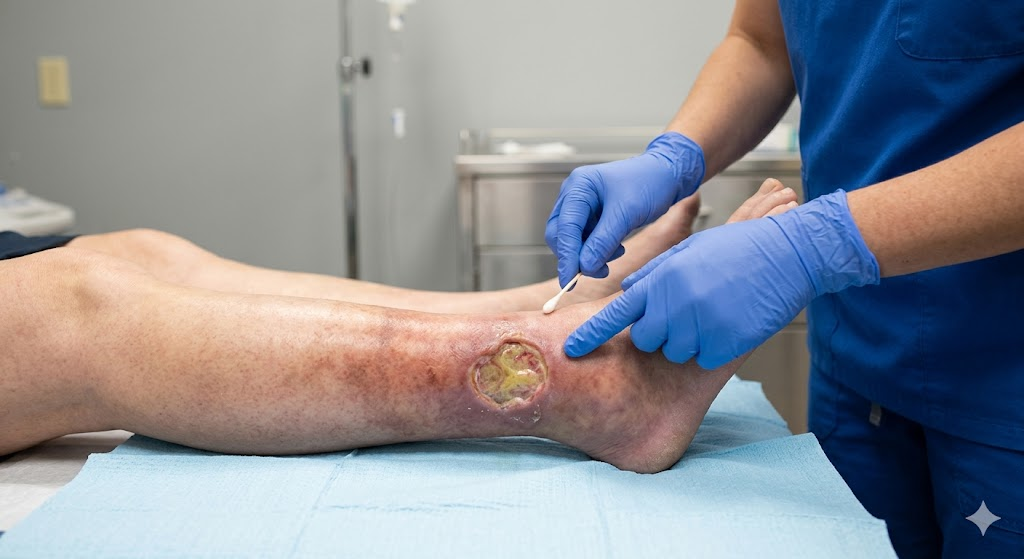
Recovery & Healing Process
Healing depends on:
- Cause of the wound
- Blood circulation
- Infection control
- Nutrition
- Overall health
- Wound care compliance
Some chronic wounds may require long-term treatment and follow-up care.
Importance of Nutrition in Wound Healing
Good nutrition is essential for tissue repair.
- Protein
- Vitamins
- Zinc
- Iron
- Hydration
Proper nutrition supports faster recovery and stronger healing.
Modern Advances in Diabetic Foot Care
Advanced diabetic foot treatments now include:
- Vacuum-assisted wound therapy
- Advanced dressings
- Microsurgical reconstruction
- Vascular interventions
- Regenerative therapies
- Limb salvage procedures
These innovations improve healing and reduce amputation risk.