Introduction
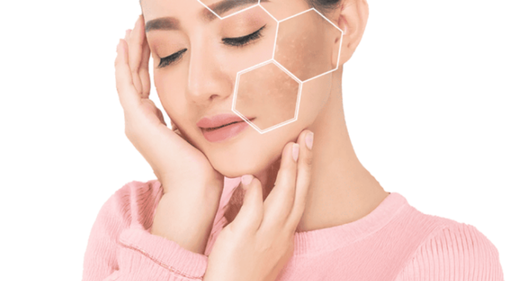
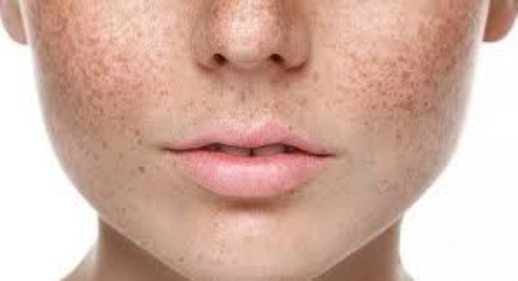
Pigment treatment is an advanced dermatological and cosmetic procedure designed to reduce unwanted skin pigmentation, improve skin tone, and restore a clearer and more even complexion. Skin pigmentation problems are among the most common cosmetic concerns affecting both men and women of all ages. Uneven skin tone, dark spots, melasma, freckles, tanning, and post-inflammatory pigmentation can significantly affect confidence and overall appearance.

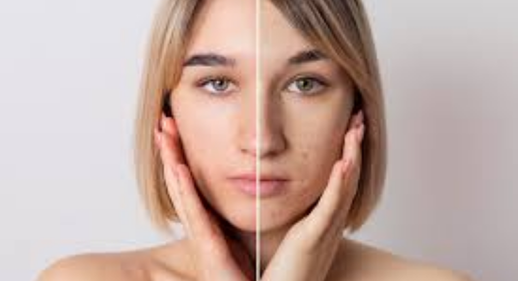
Skin pigmentation occurs when excess melanin, the natural pigment responsible for skin color, accumulates in certain areas of the skin. Various factors such as sun exposure, hormonal changes, acne, aging, genetics, inflammation, and environmental damage can trigger pigmentation disorders.
Modern pigment treatment procedures use advanced technologies such as lasers, chemical peels, topical medications, microneedling, and skin rejuvenation therapies to target excess pigmentation and improve overall skin quality.
Pigment treatments are highly customizable and can effectively address a wide range of pigmentation concerns while promoting smoother, brighter, and healthier-looking skin.
What Is Pigmentation?
Pigmentation refers to the coloring of the skin caused by melanin production. Melanin is produced by specialized skin cells called melanocytes and helps protect the skin from harmful ultraviolet radiation.
When melanin production becomes uneven or excessive, dark patches, spots, or discoloration may develop on the skin.
Pigmentation issues may affect the face, neck, hands, arms, back, and other body areas exposed to sunlight or inflammation.
Common Types of Pigmentation
- Melasma
- Sunspots
- Age spots
- Freckles
- Post-inflammatory hyperpigmentation
- Acne pigmentation
- Tanning
- Uneven skin tone
Causes of Skin Pigmentation
Several internal and external factors can contribute to pigmentation problems.
- Excessive sun exposure
- Hormonal imbalance
- Pregnancy-related changes
- Acne and skin inflammation
- Aging
- Genetic predisposition
- Certain medications
- Skin injuries
- Environmental pollution
- Improper skincare products
What Is Pigment Treatment?
Pigment treatment refers to cosmetic and dermatological procedures designed to reduce excess pigmentation and improve skin clarity and brightness.
The treatment aims to:
- Reduce dark spots
- Improve uneven skin tone
- Brighten dull skin
- Reduce acne pigmentation
- Improve overall skin texture
- Restore healthy skin appearance
How Does Pigment Treatment Work?
Pigment treatments work by targeting excess melanin deposits within the skin and encouraging skin renewal. Different technologies and procedures are selected depending on the depth, type, and severity of pigmentation.
Laser treatments break down pigment particles, chemical peels exfoliate damaged skin layers, and topical medications reduce melanin production. Microneedling and skin rejuvenation therapies stimulate collagen production and improve overall skin texture.
Combination treatments are often recommended to achieve optimal and long-lasting results.
Benefits of Pigment Treatment
Pigment treatment offers multiple cosmetic and skin-rejuvenating benefits.
Cosmetic Benefits
- Even skin tone
- Reduction of dark spots
- Brighter complexion
- Smoother skin texture
- Reduction in acne marks
Additional Benefits
- Improved skin confidence
- Non-surgical treatment options
- Minimal downtime
- Customized treatment plans
- Healthier-looking skin
Advantages of Pigment Treatment
- Safe and effective procedures
- Suitable for multiple skin concerns
- Improves skin quality
- Long-lasting improvement
- Can be combined with rejuvenation procedures
Laser Pigment Treatment
Laser pigment treatment is one of the most advanced and effective procedures for treating pigmentation. Specialized laser energy targets excess melanin without significantly damaging surrounding skin tissue.
The fragmented pigment particles are gradually cleared by the body’s natural healing process, resulting in clearer and brighter skin.
Laser treatments are commonly used for melasma, sunspots, freckles, acne pigmentation, and age spots.
Chemical Peel Treatment
Chemical peels use specialized acids to exfoliate damaged skin layers and stimulate new skin cell growth. This treatment helps reduce pigmentation, improve skin tone, and create smoother skin texture.
Different peel strengths may be used depending on the skin condition and pigmentation severity.
Topical Pigment Treatment
Topical treatments are often recommended as part of a complete pigment correction program. These products help control melanin production and improve skin brightness.
- Skin-lightening creams
- Retinoids
- Vitamin C serums
- Azelaic acid
- Kojic acid
- Niacinamide products
Microneedling for Pigmentation
Microneedling creates controlled micro-injuries in the skin to stimulate collagen production and enhance skin renewal. It can improve acne pigmentation, uneven skin texture, and mild melasma while improving overall skin quality.
PRP Therapy for Pigmentation
Platelet-rich plasma (PRP) therapy uses growth factors derived from the patient’s own blood to stimulate healing and skin rejuvenation. PRP can improve skin texture, pigmentation, and overall skin glow when combined with other pigment treatments.
Pigment Treatment for Melasma
Melasma is a common pigmentation disorder that causes brown or gray patches on the face, especially on the cheeks, forehead, nose, and upper lip. Hormonal changes and sun exposure are major triggers.
Melasma treatment often requires a combination of:
- Laser therapy
- Chemical peels
- Sun protection
- Topical medications
- Maintenance skincare
Pigment Treatment for Acne Marks
Post-acne pigmentation is a common concern after inflammatory acne heals. Pigment treatment helps reduce dark acne marks, improve uneven skin tone, and restore smoother skin appearance.
Treatments may include lasers, peels, microneedling, and brightening skincare products.
Who Is an Ideal Candidate?
Pigment treatment may be suitable for individuals who:
- Have uneven skin tone
- Experience melasma or sunspots
- Have acne pigmentation
- Want brighter skin
- Desire smoother skin texture
- Have realistic treatment expectations
Diagnosis Before Treatment
Proper skin evaluation is important before starting pigment treatment.
- Skin type analysis
- Pigmentation depth assessment
- Medical history review
- Hormonal evaluation if needed
- Sun damage assessment
- Review of previous treatments
Procedure of Pigment Treatment
The procedure depends on the treatment method selected. The skin is usually cleansed before treatment, and topical numbing cream may be applied for patient comfort during laser or microneedling procedures.
The specialist carefully targets the pigmented areas while preserving surrounding healthy tissue. Most procedures are performed as outpatient treatments and require minimal recovery time.
Recovery After Pigment Treatment
Recovery depends on the treatment type and skin sensitivity. Mild redness, dryness, or temporary darkening of pigmentation may occur after certain procedures.
Common Temporary Effects
- Mild redness
- Swelling
- Dryness
- Temporary sensitivity
- Light peeling
Patients are advised to avoid:
- Direct sun exposure
- Harsh skincare products
- Excessive heat exposure
- Scrubbing the treated skin
- Smoking during healing
Post-Treatment Care
Proper aftercare is essential for maintaining treatment results and preventing recurrence of pigmentation.
- Use sunscreen daily
- Keep the skin moisturized
- Follow skincare instructions carefully
- Avoid excessive sunlight
- Attend follow-up appointments