Introduction
Scoliosis Surgery is a specialized spinal procedure performed to correct abnormal curvature of the spine, improve spinal alignment, reduce pain, and prevent progression of spinal deformity. Scoliosis is a condition in which the spine curves sideways in an abnormal “S” or “C” shape instead of maintaining a straight alignment.
Mild scoliosis may be managed with observation, physical therapy, or bracing. However, severe spinal curvature can continue to progress and lead to chronic pain, breathing difficulties, posture imbalance, nerve compression, and reduced quality of life. In such cases, Scoliosis Surgery may be necessary.
Modern advancements in spine surgery technology have significantly improved the safety and effectiveness of scoliosis correction procedures. Surgeons now use advanced spinal implants, minimally invasive techniques, navigation systems, and robotic-assisted surgery to achieve better spinal correction with faster recovery and fewer complications.
What is Scoliosis Surgery?
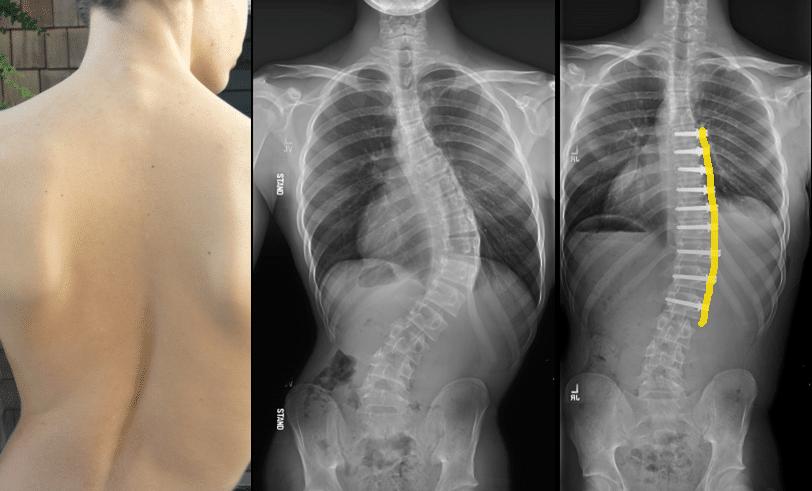
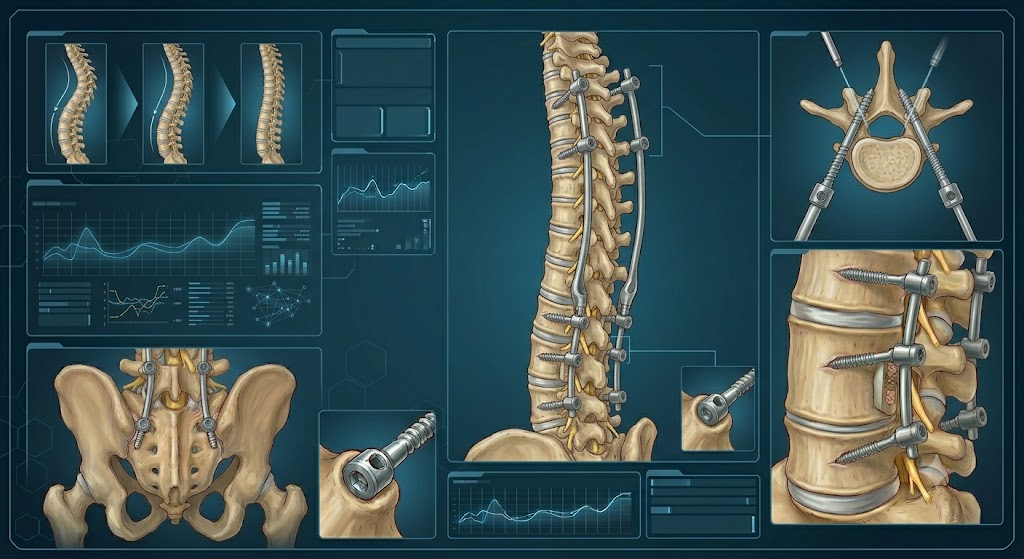
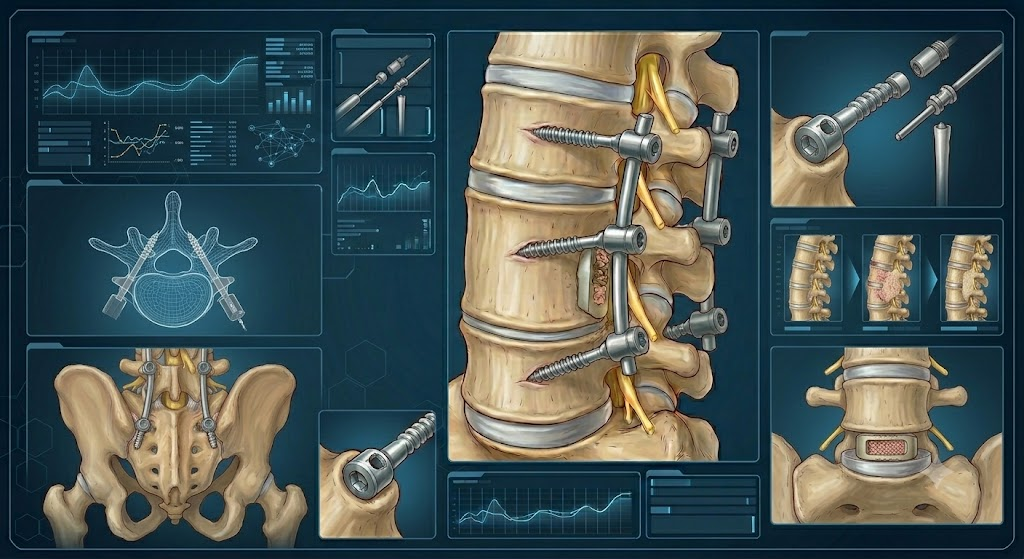
Scoliosis Surgery is performed to straighten and stabilize the spine while preventing further progression of spinal curvature. The most common surgical method involves spinal fusion with rods, screws, and other implants to hold the spine in proper alignment.
The surgery helps improve posture, spinal balance, mobility, and overall quality of life while reducing pain and complications associated with severe scoliosis.
- Corrects abnormal spinal curvature
- Improves posture and body balance
- Prevents progression of scoliosis
- Reduces chronic back pain
- Improves mobility and quality of life
Types of Scoliosis
- Idiopathic Scoliosis
- Congenital Scoliosis
- Neuromuscular Scoliosis
- Degenerative Scoliosis
- Functional Scoliosis
Symptoms of Scoliosis
- Uneven shoulders
- Uneven hips
- Visible spinal curvature
- Back pain
- Muscle fatigue
- Rib prominence
- Difficulty standing straight
- Posture imbalance
Diagnosis Before Scoliosis Surgery
- Physical Examination
- Adam’s Forward Bend Test
- X-rays
- MRI Scan
- CT Scan
- Pulmonary Function Tests
Types of Scoliosis Surgery
- Spinal Fusion Surgery
- Posterior Spinal Fusion
- Anterior Spinal Fusion
- Minimally Invasive Scoliosis Surgery
- Vertebral Body Tethering (VBT)
- Growing Rod Surgery
Recovery After Scoliosis Surgery
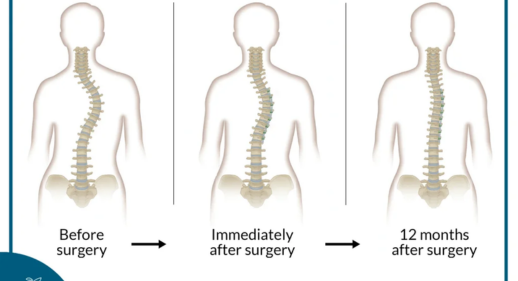
Recovery after scoliosis surgery depends on the patient’s age, health condition, and complexity of the spinal curve. Most patients gradually regain mobility and experience improved posture after recovery.
Immediate Postoperative Recovery
- Patients are monitored after surgery
- Pain management is provided
- Walking may begin within a few days
- Hospital stay usually lasts several days
Physical Rehabilitation
- Improves flexibility and strength
- Restores posture and balance
- Enhances mobility
- Supports long-term spinal health
Returning to Normal Activities
- School or office work may resume within weeks
- Heavy lifting should be avoided initially
- Sports activities require medical clearance
Benefits of Scoliosis Surgery
- Improves spinal alignment
- Prevents worsening spinal curvature
- Reduces chronic pain
- Enhances posture and appearance
- Improves breathing in severe cases
- Improves overall quality of life